



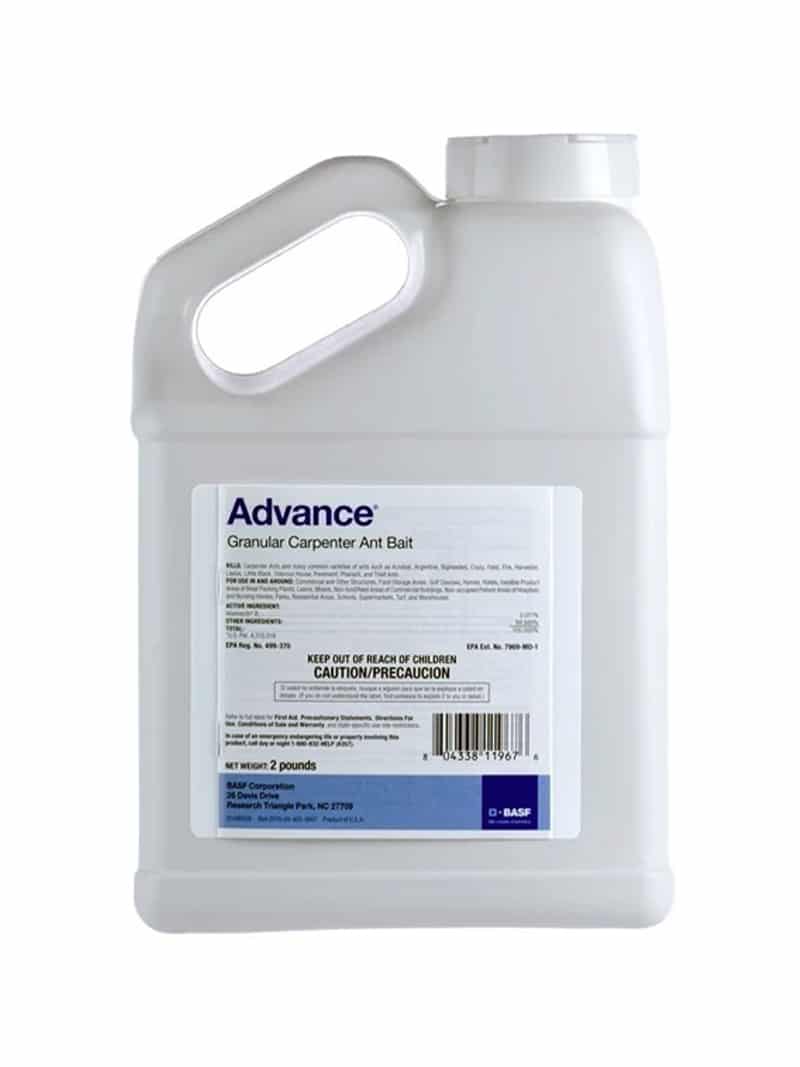


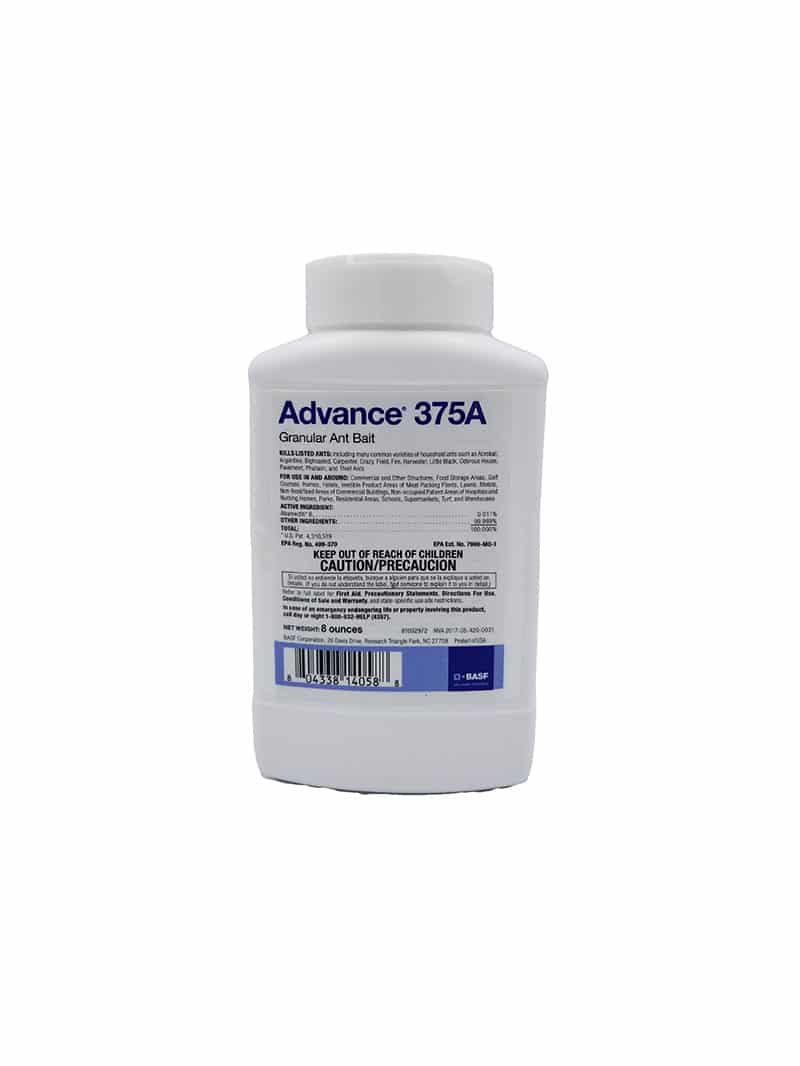
Description
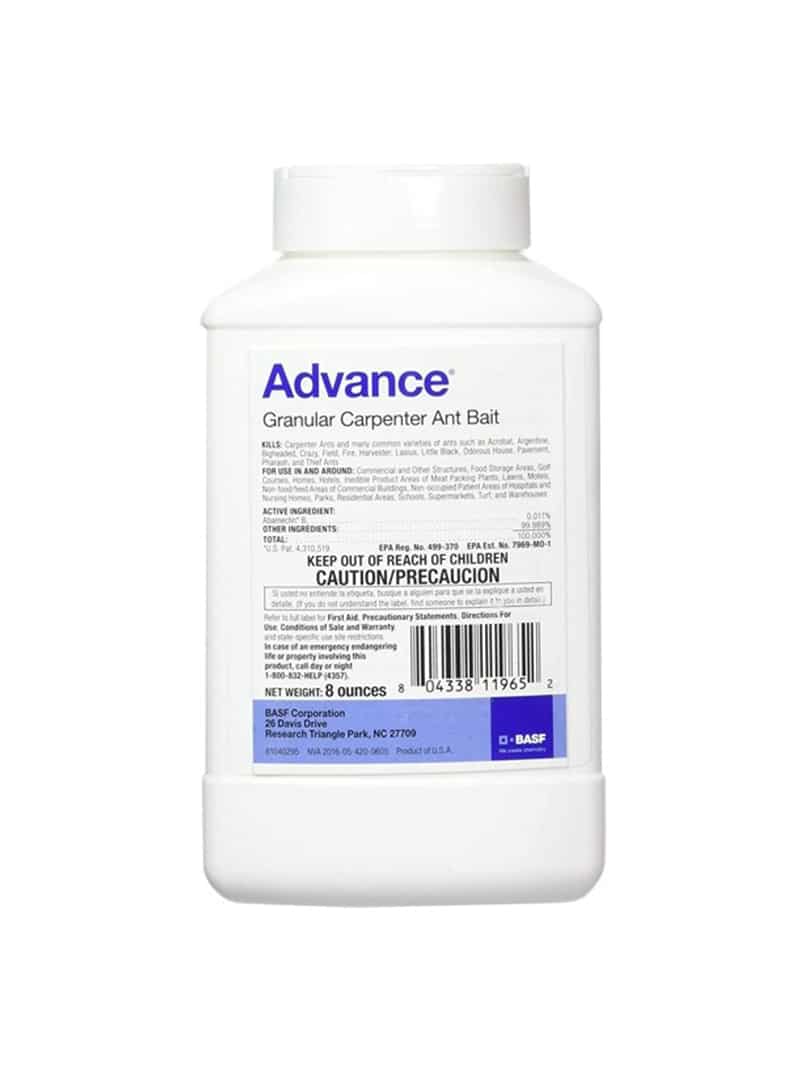
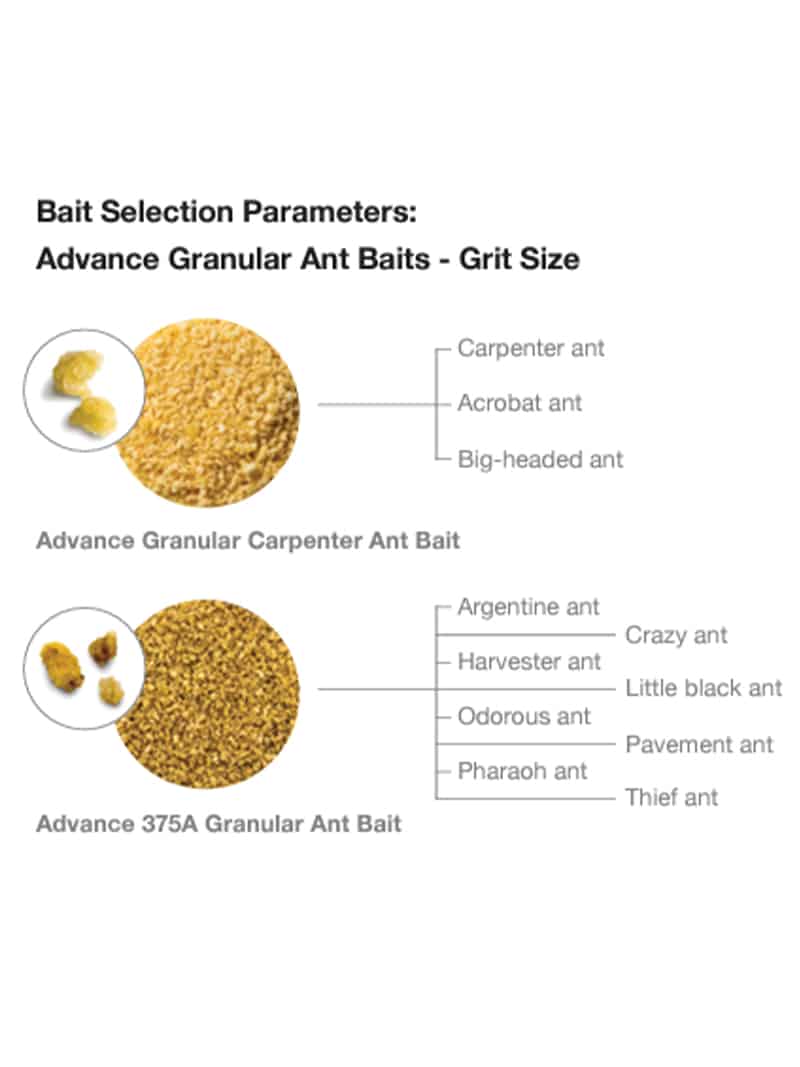
Product Alternatives: Advance 375 A
EPA Registration No.: 499-370
Active Ingredient: Abamectin – .011%
Why Advance Carpenter Ant Bait Works
- Targets carpenter ants specifically – Formulated to match carpenter ant feeding preferences
- Delayed-action insecticide – Allows ants to return bait to the nest for full colony control
- Kills the queen & brood – Stops reproduction and prevents reinfestation
- Non-repellent formula – Ants feed naturally without avoidance
- Granular bait formulation – Easy to apply in voids, cracks, and perimeter areas
- Professional & DIY approved – Ideal for residential and commercial ant control programs
Target Pests
-
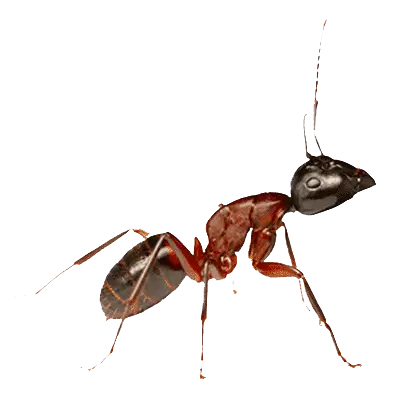
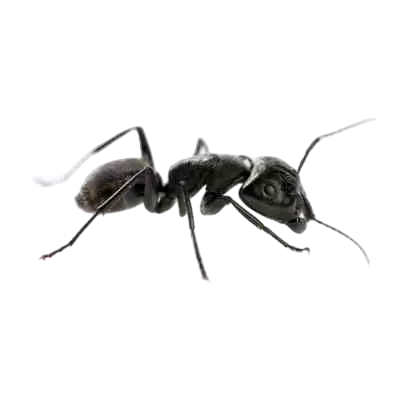
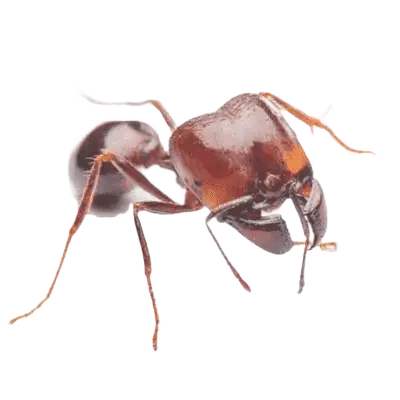
Carpenter ants (black carpenter ants and other listed species)
Advance Carpenter Ant Bait is not intended for common sugar ants—it is designed specifically for carpenter ant control.
Where to Use Advance Carpenter Ant Bait
- Indoors: wall voids, attics, crawl spaces, and utility areas
- Outdoors: around foundations, tree bases, and ant trails
- Under decks, porches, and siding
- Around structural wood where carpenter ants are active
- Residential homes, cabins, apartments, and commercial buildings
How to Apply (Quick Guide)
- Identify carpenter ant trails and foraging areas
- Apply small amounts of bait near activity (do not over-apply)
- Place bait in cracks, crevices, or bait stations when needed
- Avoid contaminating bait with sprays or cleaners
- Monitor activity and reapply as bait is consumed
For best results, use Advance Carpenter Ant Bait as part of an Integrated Pest Management (IPM) program including moisture control, wood repair, and nest location when possible.
Product Specifications
- Formulation: Granular bait
- Active Ingredient: Abamectin B1
- Mode of Action: Ingestion with delayed toxicity
- Odor: Minimal
- Use Sites: Indoor and outdoor (per label)
- Application Method: Hand placement or bait stations
Why Professionals Choose Advance Carpenter Ant Bait
Carpenter ants often nest deep inside structural wood, making them difficult to eliminate with sprays alone. Advance Carpenter Ant Bait solves this problem by leveraging ant behavior—workers carry the bait back to the nest, resulting in complete colony collapse, fewer callbacks, and long-term control.
Directions For Use:
Outdoor Applications:
Reapply as necessary but not sooner than 30 days after the last application. Do Not apply more than 4 pounds of product per acre per year. Do Not apply more than .00044 pounds of abamectin per acre per year.
Broadcast Application: Use this product at a rate of 1 pound per acre. This is equivalent to approximately 1.8 ounces per 5,000 square ft. or 0.4 ounce per 1,000 sq. ft. (1 tablespoon equals approximately 0.3 ounce of bait). Apply the product as uniformly as possible.
Around Structures: Lightly sprinkle evenly at a rate of 0.3 ounce per 100 linear ft. in a band approximately 1 to 2 ft. wide around the foundation of the building. Treat visible trails with approximately 1 ounce of product.
Individual Colony Treatment: Use 1.5 to 3 ounces of product per colony.
Indoor Applications:
Locate Ant Activity: Follow ants back to voids. Apply bait to crevices or voids where ants are active. Use up to 5 tablespoons per treatment site in a heavily traveled area. Use less in areas with less activity or if the treatment site will not hold that much. Use a large puffer/duster or other appropriate application device to place bait in crevices or voids. Enlarging the void’s opening may be required.
Place bait where it will remain dry. Do Not use in serving areas while food is exposed. Do Not use in areas where food is prepared or served. Do Not contaminate kitchen utensils.



David (verified owner) –
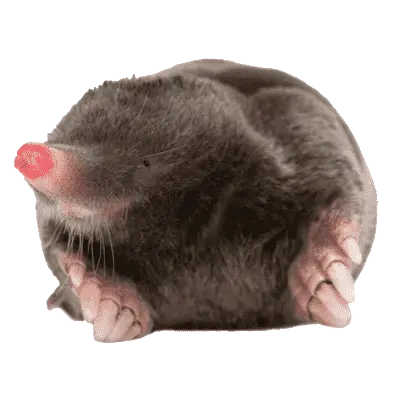
After two nights of seeing the bait get consumed by the time I woke up in the morning….I realized it was mice, not ants, which were eating it. Not sure how to solve that puzzle, but I may have to think about it.
Observation during the day time was the tiny ants were taking the bait, but the larger black ants were not.
chenoamorris2020 (store manager) –
Thank you for sharing your experience! It definitely sounds like you have some hungry mice helping themselves to the bait overnight. We recommend placing Advance Carpenter Ant Bait in areas where the ants can access it but mice cannot, such as inside a small bait station or other protected placement.
As for the ants, it’s actually normal for different species—or even the same colony at different times—to show different levels of interest in a particular bait. Advance Carpenter Ant Bait is a protein- and fat-based granular bait, so ants are generally more attracted to it when the colony is seeking those nutrients. At other times, they may be more interested in carbohydrates/sugars and show little interest in the granules.
If the tiny ants are actively carrying the Advance bait away, that’s a good sign—allow them to continue taking it back to the colony and avoid spraying around the bait.
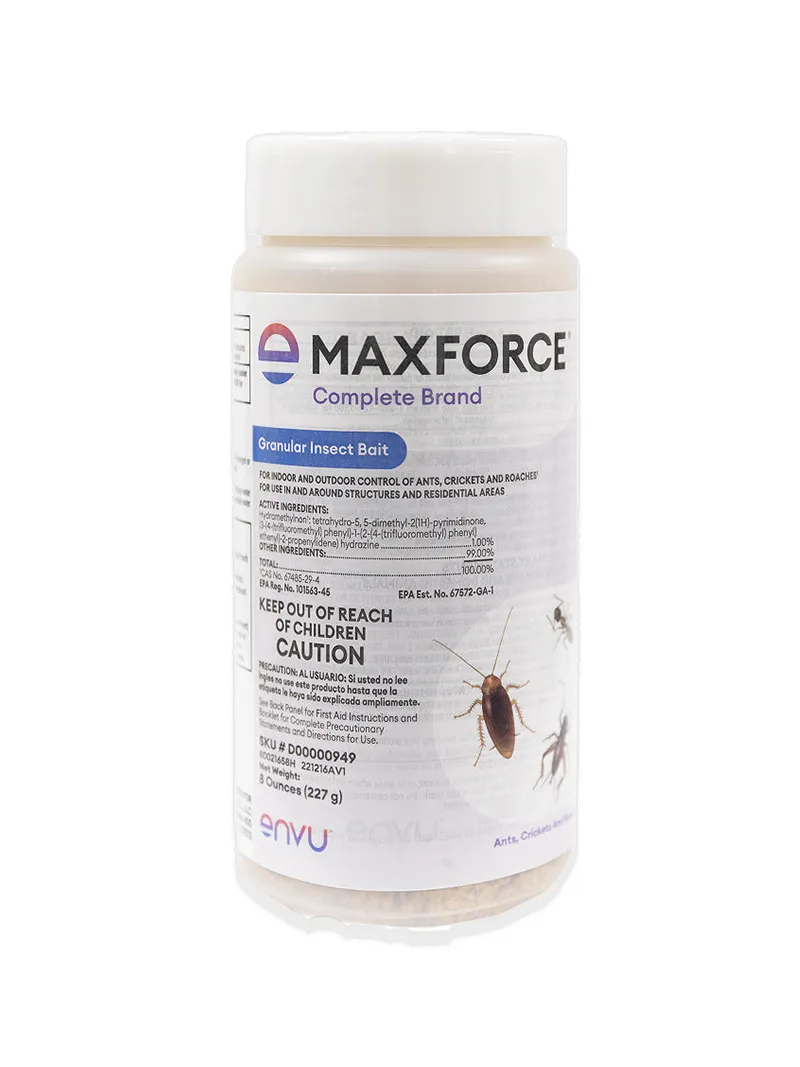
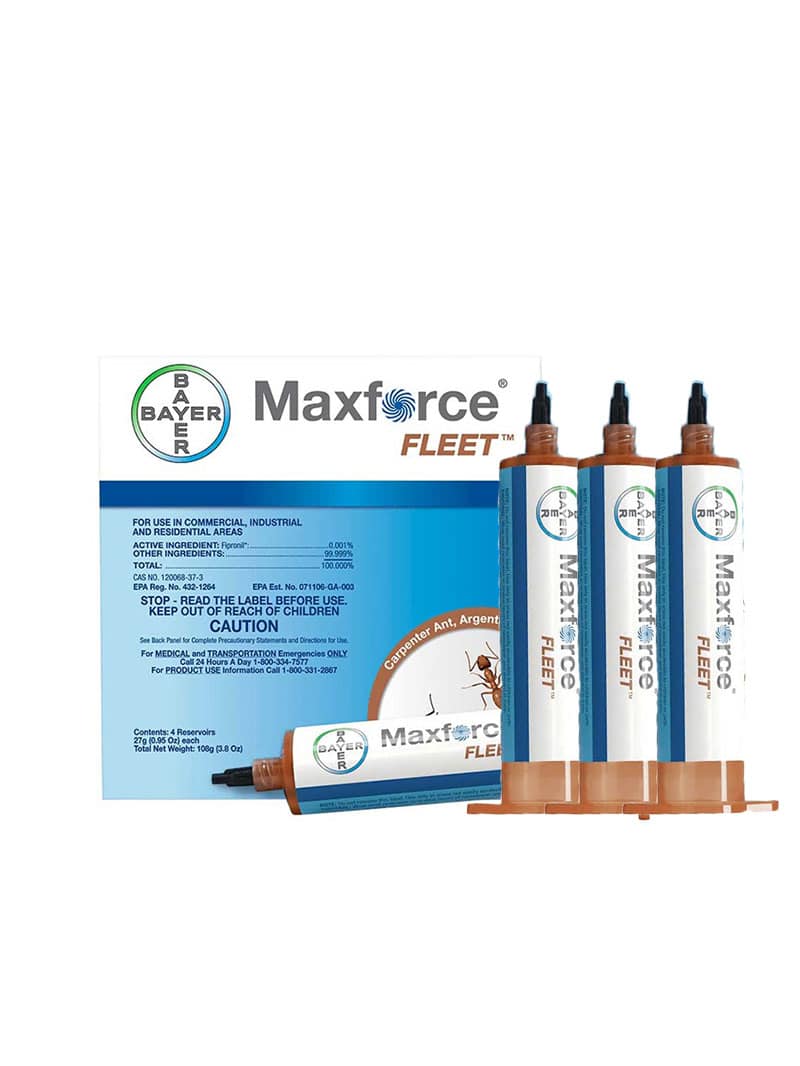
For the larger black ants, first make sure they are actually carpenter ants. Not every large black ant is a carpenter ant; field ants and other species can look very similar. If they are carpenter ants but aren’t currently interested in Advance, we recommend offering a carbohydrate-based bait such as **Maxforce Fleet Ant Bait** alongside it. This gives the ants a choice between a protein/fat-based bait and a carbohydrate-based bait based on what the colony is actively seeking at that time.
And we’d definitely address those mice too—they’ve apparently decided Advance is on the menu! Thank you for the review and for sharing your observations.